
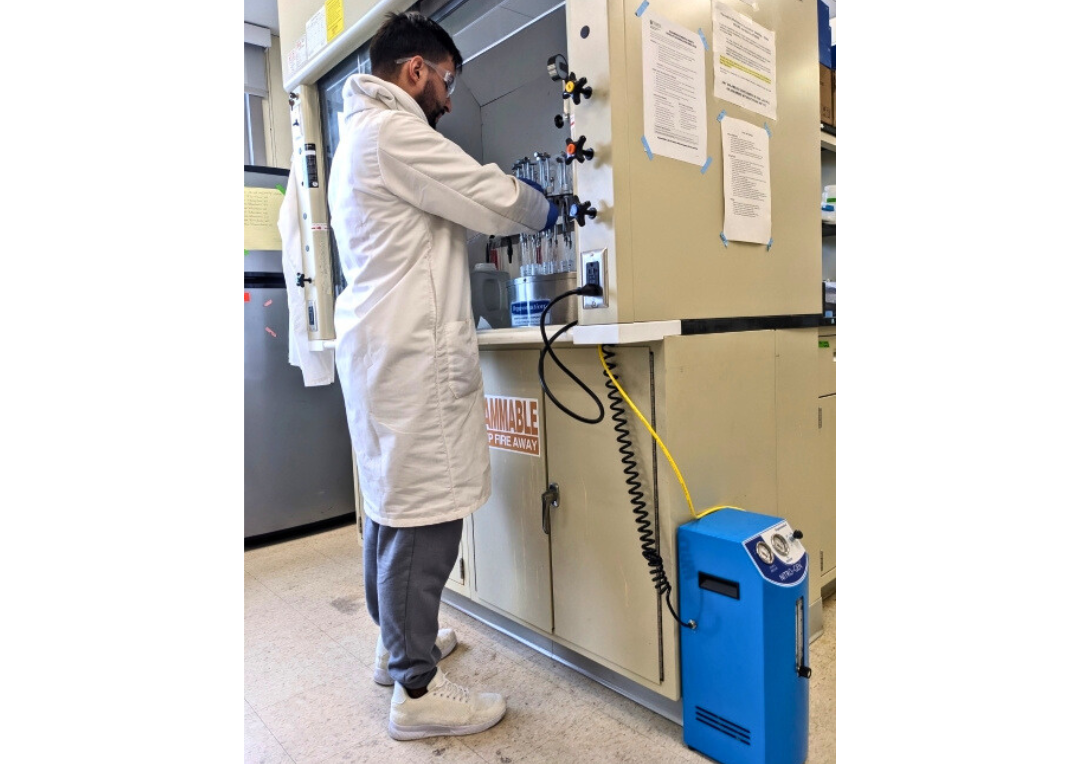
In busy analytical labs, efficiency isn’t just about having the right instruments, it’s about how those instruments work together to support uninterrupted workflows. One of the most overlooked but powerful pairings is the integration of on-site nitrogen generators with nitrogen evaporators.
Evaporation systems depend heavily on the stability, purity, and availability of nitrogen gas. When paired correctly, generators and evaporators create a streamlined, self-sufficient setup that eliminates logistical hurdles, reduces operational costs, and keeps sample preparation for techniques like LC-MS and GC-MS running smoothly around the clock.
This guide will walk you through why and how to integrate nitrogen generation and evaporation, along with a real-world example of how this pairing transforms lab productivity.
Why Integration Matters
1. Eliminating Cylinder Hassles
Relying on nitrogen cylinders means constant tank monitoring, frequent change-outs, and the ever-present risk of running out of gas mid-evaporation. These unexpected interruptions not only slow down workflows, they can compromise sample integrity and force analysts to restart lengthy concentration steps.
A nitrogen generator provides a stable, on-demand nitrogen supply that eliminates guesswork. Once installed, generators allow evaporators to run continuously without fear of depletion, even during heavy sample loads or back-to-back batches.
2. Consistent Pressure and Flow
Nitrogen evaporators rely on consistent flow and pressure to deliver uniform, reproducible evaporation times. Cylinders can lose pressure as they empty, resulting in slower concentration rates and variability across samples.
Generators deliver steady flow, purity, and pressure regardless of usage, allowing labs to maintain uniform performance day after day, batch after batch.
3. Cost and Safety Advantages
Cylinder rental, storage, and delivery fees add up quickly, especially in high-throughput labs. Switching to a generator significantly reduces ongoing costs by eliminating the recurring expenses tied to gas cylinders.
Generators also remove the safety risks associated with storing and handling multiple high-pressure cylinders. With an on-site system, labs can simplify compliance, reduce hazardous storage needs, and maintain a safer workspace.
→ Read our total cost analysis comparison nitrogen cylinders vs generators
Key Considerations for Pairing
Step 1: Match Evaporator Demand to Generator Output
- Calculate gas consumption per position on your evaporator (e.g., N-EVAP or MULTIVAP units).
- Multiply by the maximum number of positions in use at once.
- Choose a generator that comfortably exceeds this demand to account for peak usage.
Example: A 24-position evaporator running at 1/3 LPM per sample would require a generator capable of supplying at least 8 LPM.
→ Find the recommended generator model for your nitrogen evaporator
Step 2: Plan for Multiple Instruments
If the generator will support additional instruments such as LC-MS systems, map out total gas consumption across the entire lab. Underestimating demand is one of the most common integration mistakes and can lead to pressure drops or competition between instruments during peak usage.
Step 3: Build in Redundancy
Determine whether one large generator or two smaller units best suits your workflow.
- A single high-capacity generator streamlines infrastructure and centralizes maintenance.
- Two smaller generators allow you to split demand, segregate workflows, and maintain partial operation if one requires service.
Your choice depends on whether maximizing uptime, minimizing footprint, or managing budget is the higher priority.
Workflow Integration Tips
1. Dedicated Lines: Run individual nitrogen lines to each evaporator to prevent pressure fluctuations during concurrent operation.
2. Centralized Supply Hub: Place your generator in a convenient, ventilated location that serves multiple instruments without long line runs.
3. Preventative Maintenance: Generators require filter changes, inspections, and occasional service. Synchronize generator maintenance with evaporator service intervals to minimize downtime.
4. Future-Proofing: If your lab expects to scale up sample volume or add new instruments, choose a generator that supports tomorrow’s demand, not just today’s.
Case Example: Continuous Operation in Environmental Testing
A university food science laboratory performing fatty acid extractions for nutritional analysis relied on nitrogen blowdown to concentrate its samples. However, the team frequently encountered gas supply challenges: cylinder pressure drops slowed evaporation, tank change-outs delayed experiments, and inconsistent flow sometimes extended concentration times.%20side.jpeg?width=295&height=295&name=NITRO-GEN+%20(NA1935)%20side.jpeg)
To stabilize their workflow, the lab paired their Organomation MICROVAP nitrogen evaporator with a NITRO-GEN+ all-in-one nitrogen generator. The generator delivered a continuous, high-purity nitrogen supply capable of meeting the evaporator’s full flow requirements without performance fluctuations.
After integration, the lab achieved:
- Reliable, uninterrupted evaporation during high-volume fatty acid extractions
- Greater control over flow rate and evaporation conditions, improving reproducibility across nutrient analyses
- Faster turnaround times by eliminating mid-run gas shortages and pressure inconsistencies
- Significant cost savings, avoiding frequent cylinder purchases and reducing operational inefficiencies
With the generator providing a stable nitrogen source, the lab saw smoother day-to-day performance and more consistent data across batches—an essential upgrade for high-throughput nutritional and lipid chemistry workflows.
Takeaway
Pairing a nitrogen evaporator with an on-site nitrogen generator is one of the simplest and most impactful ways to strengthen lab efficiency. This integration ensures continuous operation, reduces long-term costs, and creates the conditions needed for reproducible, high-quality evaporation performance in LC-MS, GC-MS, and sample prep workflows.
By properly sizing your generator to meet evaporator demand—and planning ahead for future instrumentation—your lab can eliminate supply interruptions and stay focused on what matters most: producing accurate, timely results.
Looking to pair a generator with your evaporator? Contact Organomation to discuss the best integration for your lab’s workflow or use our nitrogen generator product finder!