
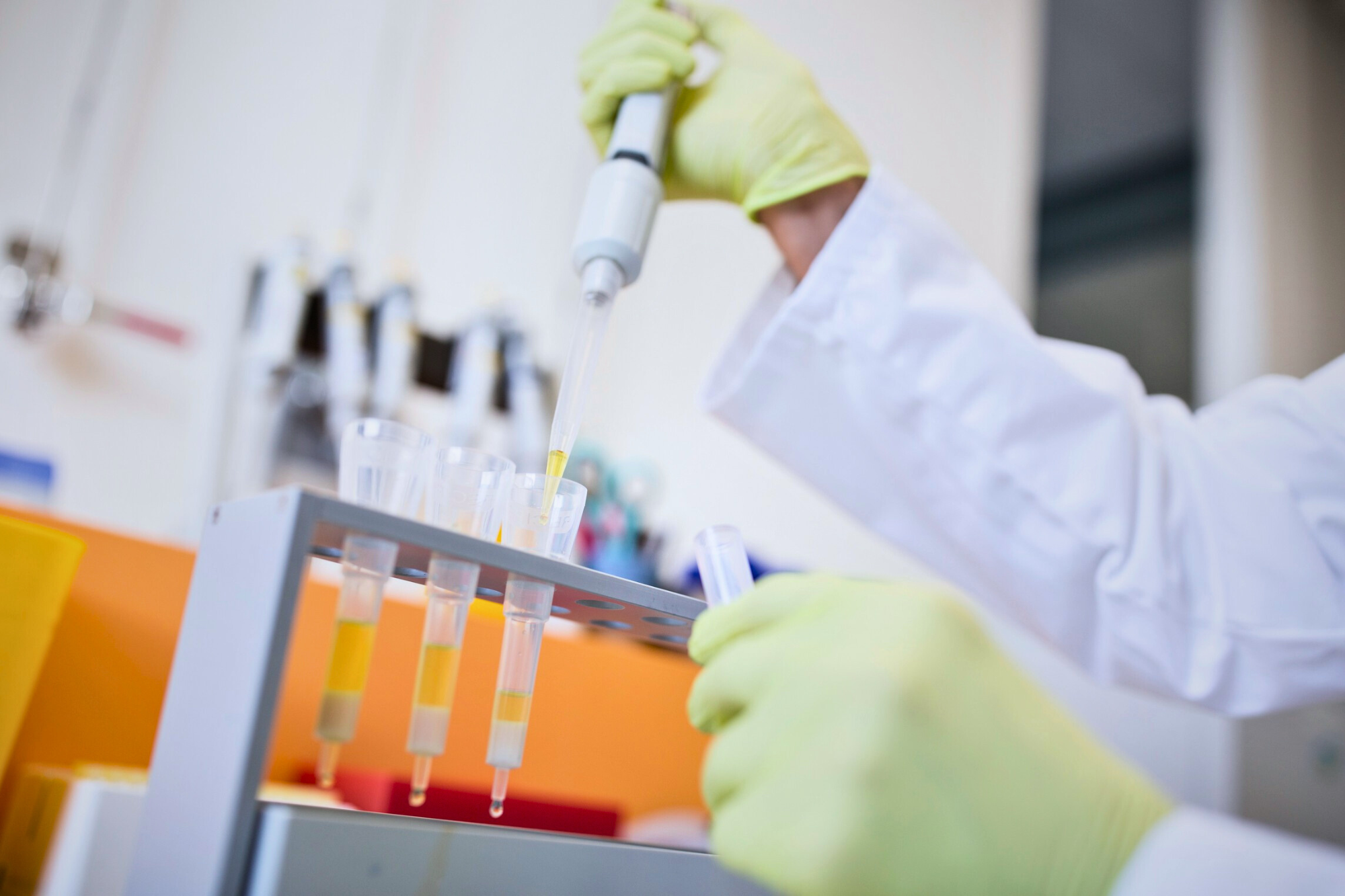
European food safety regulations set some of the world's most stringent standards for protecting consumers from harmful contaminants. At the heart of these protections lies EU Regulation 1881/2006 (now consolidated as Regulation 2023/915), which establishes maximum levels for contaminants ranging from mycotoxins and heavy metals to dioxins and polychlorinated biphenyls (PCBs) [1]. For laboratories performing food contaminant testing, understanding both the regulatory framework and the analytical workflows required to achieve compliance is essential.
This comprehensive guide explores the four major contaminant categories regulated under EU legislation and details the sample preparation techniques that underpin accurate testing. It also highlights the critical role of nitrogen evaporation technology in modern food safety workflows.
Understanding EU Regulation 1881/2006: The Foundation of Food Safety
Originally established in 2006, EU Regulation 1881/2006 created a harmonized framework for controlling contaminant levels across European Union member states. With nearly 50 amendments over 17 years, the European Commission replaced this regulation with Regulation (EU) 2023/915 in April 2023, consolidating all previous changes into a single, comprehensive document [2].
The regulation operates on the ALARA principle (As Low As Reasonably Achievable), meaning maximum levels are set as strictly as possible while still being attainable through good agricultural, fishery, and manufacturing practices [2]. The European Food Safety Authority provides these limits through continuous risk assessment, evaluating toxicological data and dietary exposure patterns across European populations. The maximum levels apply to the edible portion of foods unless otherwise specified, and products exceeding these limits cannot be placed on the EU market [2].
The Four Pillars of EU Food Contaminant Regulation
1. Mycotoxins: Fungal Threats in the Food Chain
Mycotoxins are toxic secondary metabolites produced by fungi that represent one of the most widespread food safety challenges globally [3]. The EU regulates multiple mycotoxin families, each with distinct toxicological profiles and occurrence patterns [2].
Major Regulated Mycotoxins: [4]
Major regulated mycotoxins include aflatoxins, ochratoxin A, and Fusarium toxins such as DON, zearalenone, T-2/HT-2 toxins, and fumonisins. These are commonly found in cereals, nuts, dried fruits, spices, and infant foods and are strictly controlled under EU regulations. Aflatoxins are highly toxic and carcinogenic with very low legal limits, especially in baby foods and dairy products. Ochratoxin A is mainly associated with kidney damage and has tighter limits following updated risk assessments. Fusarium toxins are widespread in cereals and have recently updated maximum levels to improve food safety.
Overall, these compounds are linked to serious health effects including cancer, immune suppression, reproductive issues, and developmental toxicity, highlighting the need for comprehensive multi-mycotoxin testing programs for high-risk food products.
2. Heavy Metals: Environmental Contaminants with Cumulative Toxicity
Heavy metal contamination enters the food chain through contaminated soil, water, agricultural practices, and industrial pollution. EU regulations set maximum levels for lead, cadmium, mercury, inorganic arsenic, and nickel [2].
These metals have strict limits across products such as infant foods, cereals, fish, rice, and supplements. Lead and cadmium are linked to long-term neurodevelopmental, kidney, and bone damage, with especially low limits in baby foods and other high-risk categories [5]. Mercury is mainly a concern in fish due to bioaccumulation, posing serious neurotoxic risks, particularly during fetal development [5]. Inorganic arsenic is primarily controlled in rice products due to its cancer and cardiovascular risks, while newly regulated nickel limits address allergic and potential carcinogenic effects [5]. Together, these contaminants require strict monitoring to reduce chronic dietary exposure and protect vulnerable populations.
3. Dioxins and PCBs: Persistent Organic Pollutants [2, 6]
Dioxins (polychlorinated dibenzo-p-dioxins and dibenzofurans) and polychlorinated biphenyls represent some of the most toxic man-made chemicals ever released into the environment. Though banned decades ago, their extreme persistence means these compounds continue contaminating food chains worldwide, particularly in fatty foods of animal origin.
The EU regulates 17 dioxin congeners (7 PCDDs and 10 PCDFs) plus 12 dioxin-like PCBs using the WHO Toxic Equivalency Factor (TEF) system. Each congener's concentration is multiplied by its TEF value relative to 2,3,7,8-TCDD (the most toxic form), then summed to calculate total toxicity in picograms WHO-TEQ per gram of fat or wet weight.
Updated Maximum Levels (effective January 2023): [2]
• Poultry: 1.75 pg/g fat (dioxins) + 3.0 pg/g fat (dioxins + dl-PCBs)
• Beef, lamb, goat: 2.5 pg/g fat (dioxins) + 4.0 pg/g fat (dioxins + dl-PCBs)
• Fish and fishery products: 3.5 pg/g wet weight (dioxins) + 6.5 pg/g wet weight (dioxins + dl-PCBs)
• Milk and dairy products: 2.0 pg/g fat (dioxins) + 4.0 pg/g fat (dioxins + dl-PCBs)
• Eggs: 2.5 pg/g fat (dioxins) + 5.0 pg/g fat (dioxins + dl-PCBs)
• Baby foods: 0.1 pg/g wet weight (dioxins) + 0.2 pg/g wet weight (dioxins + dl-PCBs)
Additionally, non-dioxin-like PCBs face maximum levels, typically 40 ng/g fat for most foods of animal origin and vegetable oils [2].
In 2018, EFSA dramatically reduced the Tolerable Weekly Intake (TWI) from 14 to 2 pg WHO-TEQ/kg body weight, a seven-fold reduction reflecting new evidence on these compounds' toxicity [7].
4. Process Contaminants and Emerging Concerns
Beyond naturally occurring contaminants, the EU regulates substances formed during food processing, including polycyclic aromatic hydrocarbons (PAHs), acrylamide, and 3-MCPD [8]. Recent additions include perfluoroalkyl substances (PFAS), persistent "forever chemicals" increasingly detected in fish, eggs, and other foods [2].
Analytical Workflows: From Sample to Result
Accurate contaminant testing requires sophisticated analytical workflows combining effective sample preparation with sensitive instrumental detection. Modern laboratories rely heavily on LC-MS/MS (liquid chromatography-tandem mass spectrometry) for mycotoxins and polar contaminants, and GC-HRMS or GC-MS/MS (gas chromatography with high-resolution or tandem mass spectrometry) for dioxins, PCBs, and non-polar compounds [9].
The Critical Role of Sample Preparation
Sample preparation accounts for a large proportion of total analytical time and is also the most error-prone step in food contaminant analysis. The primary objective is to extract target analytes from complex food matrices, remove interfering substances, and concentrate analytes to achieve the required detection limits.
General Workflow Structure: [10]
1. Homogenization – Create representative, uniform samples
2. Extraction – Transfer analytes from solid/semi-solid matrices into solvent
3. Cleanup – Remove matrix components (fats, proteins, pigments, sugars)
4. Concentration – Evaporate solvent to increase analyte concentration
5. Reconstitution – Dissolve in LC or GC-compatible mobile phase
6. Analysis – Instrumental detection and quantification
QuEChERS: The Modern Standard for Mycotoxin Analysis
The QuEChERS method (Quick, Easy, Cheap, Effective, Rugged, Safe) has revolutionized multi-residue pesticide and mycotoxin analysis since its introduction in the early 2000s [11]. Originally developed for pesticides in fruits and vegetables, QuEChERS has proven equally effective for mycotoxins in cereals, nuts, dried fruits, and other complex matrices [11].
QuEChERS Workflow for Mycotoxins: [10, 12]
Step 1: Sample Hydration and Extraction
Begin with 5-10 grams of finely ground sample. Add water (10 mL) and allow hydration for 15 minutes. Add 10 mL acetonitrile acidified with 2% formic acid. The acidic conditions increase extraction efficiency by adjusting their polarity and solubility characteristics.
Step 2: Salt-Induced Partitioning
Add QuEChERS salt mixture (typically MgSO₄ + NaCl) and shake vigorously for 15 minutes. Magnesium sulfate drives water from the organic phase into the aqueous phase through salting-out, while sodium chloride enhances phase separation. Centrifuge at 3,000-4,000 rpm for 5 minutes to achieve clear phase separation.
Step 3: Dispersive Solid-Phase Extraction (dSPE) Cleanup
Transfer 1-2 mL of the acetonitrile supernatant to a tube containing cleanup sorbents (typically MgSO₄ + PSA + C18). Primary secondary amine (PSA) sorbent removes organic acids, fatty acids, and sugars. C18 removes non-polar matrix components like lipids. For highly pigmented samples, the addition of graphitized carbon black (GCB) can aid in removal of chlorophyll and carotenoids.
Step 4: Concentration via Nitrogen Evaporation
This critical step requires evaporating the acetonitrile extract to dryness under a gentle nitrogen stream at 40-50°C. This is where nitrogen evaporators become indispensable.
Step 5: Reconstitution and Analysis
Reconstitute the dried residue in 500 µL-1 mL of LC-MS compatible solvent. Filter through 0.2 µm PTFE syringe filters directly into autosampler vials and analyze by LC-MS/MS.
The QuEChERS procedure is capable of processing more samples in less time, a dramatic improvement over traditional liquid-liquid extraction and immunoaffinity cleanup methods.
Nitrogen Evaporation: The Indispensable Concentration Step
Nitrogen blowdown evaporation has been the workhorse technology for sample concentration in analytical chemistry laboratories since the 1950s. The technique accelerates solvent evaporation by directing a stream of inert nitrogen gas onto the liquid surface, displacing the vapor-saturated air layer and reducing vapor pressure above the sample [13.
How Nitrogen Evaporation Works:
When solvent evaporates from a sample surface, vapor molecules accumulate in the air immediately above the liquid, creating a saturated boundary layer. This vapor-saturated zone inhibits further evaporation by increasing the partial vapor pressure at the liquid-air interface. Nitrogen gas flowing across the sample surface continuously removes this saturated layer, maintaining a concentration gradient that drives rapid evaporation.
Combining nitrogen flow with gentle heating (dependent on the solvent being evaporated) further accelerates evaporation without exposing heat-sensitive compounds to degradation temperatures. This controlled evaporation is critical for volatile and semi-volatile analytes where excessive heat or prolonged evaporation times result in sample losses.
Critical Advantages for Food Contaminant Analysis:
Simultaneous Multi-Sample Processing – Modern nitrogen evaporators can process 6 to 100 samples simultaneously, dramatically improving laboratory throughput. This capacity is essential for food testing laboratories handling dozens of samples daily.
Preservation of Analyte Integrity – The gentle, controlled evaporation prevents thermal degradation of heat-sensitive mycotoxins, pesticides, and other contaminants. Nitrogen's inert nature prevents oxidative degradation that would occur with air-based evaporation.
Versatile Application Range – Nitrogen evaporators are built to handle organic solvents commonly used in food analysis including acetonitrile, ethyl acetate, hexane, dichloromethane, and methanol. They're suitable for extraction volumes from 1 mL to 50 mL, covering the full range of food testing applications.
Integration with Modern Workflows – Nitrogen evaporators integrate seamlessly into QuEChERS, solid-phase extraction (SPE), and liquid-liquid extraction workflows [11]. They serve as the critical bridge between extraction/cleanup and instrumental analysis.
Cost-Effectiveness – Unlike rotary evaporators requiring vacuum pumps and complicated glassware, or centrifugal evaporators demanding expensive consumables, nitrogen blowdown systems have minimal operating costs. On-site nitrogen generation further reduces expenses compared to cylinder or liquid nitrogen sources.
Organomation's N-EVAP Nitrogen Evaporators: Tailored for Food Testing
Organomation has manufactured nitrogen evaporators for analytical laboratories since 1959, when company founder Dr. Neal McNiven invented the first commercially successful nitrogen evaporator. The company's flagship N-EVAP product line exemplifies the flexibility and reliability required for modern food contaminant testing.
N-EVAP Design Features for Food Analysis:
The circular rotating design allows convenient access to all sample positions from the front of the instrument, facilitating easy sample insertion and removal during processing. This accessibility is particularly valuable when monitoring evaporation endpoints for samples with varying solvent volumes and volatilities.
Individual needle valve control at each sample position enables precise adjustment of nitrogen flow to each tube independently. This feature is critical when processing diverse sample types simultaneously—for example, evaporating both high-volume SPE extracts and low-volume QuEChERS aliquots in the same batch, each requiring different flow rates and evaporation times.
Universal sample compatibility eliminates the need for multiple heat blocks or adapters. The spring tensioner system accommodates test tubes from 5 mm to 30 mm outside diameter without modifications. This versatility supports diverse food testing methodologies using different tube formats for different contaminant classes.
Temperature control options include heated water bath models (providing gentle, uniform heating) and heated dry bead bath models (faster heat transfer with adjustable temperature). Unheated ambient-temperature models are available for temperature-sensitive applications. Temperature ranges typically extend to 120°C, covering all common solvent evaporation needs.
Model scalability ranges from 6-position compact units for small laboratories to 24-position and 64-position systems for high-throughput testing facilities. The 20-position automated N-EVAP incorporates timed automation technology and optional integrated nitrogen generation, representing the most advanced system in Organomation's portfolio.
Practical Application in Mycotoxin Analysis:
Consider a typical high-throughput mycotoxin testing scenario: A food safety laboratory receives 48 cereal samples for multi-mycotoxin analysis (aflatoxins, ochratoxin A, DON, zearalenone, fumonisins). After QuEChERS extraction and dSPE cleanup, the laboratory has 48 tubes containing 1.5 mL acetonitrile extract each.
Using a 24-position N-EVAP with heated water bath:
1. Load 24 tubes into the evaporator manifold
2. Set water bath temperature to 45°C
3. Adjust individual needle valves to deliver gentle nitrogen flow
4. Monitor evaporation progress—samples reach dryness in 12-16 minutes
5. Remove dried samples, reconstitute in 500 µL methanol:water
6. Load second batch of 24 samples
7. Total evaporation time for 48 samples: approximately 30 minutes
This efficiency enables the laboratory to process 48 samples through the complete QuEChERS workflow in 4-5 hours, achieving analytical throughput necessary for commercial food testing operations.
Instrumental Techniques for Food Contaminant Analysis
Food contaminant analysis relies on advanced instrumental techniques, with LC-MS/MS serving as the primary analytical endpoint for regulatory mycotoxin detection. It enables rapid multi-toxin screening with high sensitivity in the low parts-per-trillion range and strong specificity through MRM-based identification. This makes it well suited for complex food matrices when paired with effective sample cleanup and nitrogen-assisted concentration.
In parallel, heavy metal analysis by ICP-MS uses microwave digestion to fully break down organic matrices before multi-element detection at sub-ppb levels, while strict control of interferences ensures accurate quantification. For ultra-trace contaminants such as dioxins and PCBs, GC-HRMS or GC-MS/MS workflows require extensive multi-stage cleanup and careful nitrogen evaporation to concentrate analytes without loss.
Laboratory Best Practices and Quality Assurance
Ensuring accurate, reproducible food contaminant testing requires comprehensive quality systems:
Method Validation – Ensure methods meet ISO 17025 and EU criteria for specificity, linearity, accuracy, precision, LOD, LOQ, and matrix effects.
Certified Reference Materials – Use CRMs and proficiency testing samples to verify accuracy, traceability, and overall method performance.
Isotope-Labeled Internal Standards – Use ¹³C or deuterated standards to compensate for losses during sample preparation and analytical matrix effects.
Contamination Prevention – Implement strict cleaning protocols, dedicated equipment for different concentration ranges, and routine blank checks.
Nitrogen Gas Purity – Use high-purity nitrogen for evaporation to prevent oxidation and contamination.
Future Directions in Food Contaminant Testing
Food safety laboratories face evolving challenges requiring continuous analytical innovation:
Automation and Digitalization – Robotic sample preparation systems, automated SPE workstations, and integrated LC-MS data processing reduce manual labor, improve reproducibility, and accelerate sample throughput.
Expanding Analyte Scope – merging contaminants including PFAS, microplastics, nanoplastics, and plant toxins require new analytical methods and regulatory limits. Food testing laboratories must continuously adapt their capabilities to improve detection of these emerging analytes.
Green Chemistry Principles – Green chemistry principles in food testing focus on reducing solvent use, minimizing waste, and applying environmentally friendly extraction techniques, like QuEChERS. Miniaturization approaches further reduce solvent consumption and waste while maintaining analytical performance and lowering costs.
Conclusion: Protecting European Food Safety Through Analytical Excellence
EU Regulation 1881/2006 (now 2023/915) establishes a comprehensive framework for controlling food contaminants to aid in protecting European consumers from an extensive list of hazardous substances. Achieving compliance demands sophisticated analytical workflows for combining effective sample preparation with state-of-the-art instrumental analysis.
Nitrogen evaporation technology, exemplified by Organomation's N-EVAP systems, plays an indispensable role in these workflows by performing the critical concentration step between extraction/cleanup and LC-MS/MS or GC-MS analysis. The technique's versatility, reliability, and cost-effectiveness have made it a fixture in food testing laboratories for over six decades.
As regulatory requirements continue to evolve and analytical challenges grow more complex, laboratories equipped with optimized sample preparation capabilities, high-performance chromatography-mass spectrometry systems, and robust quality assurance programs will continue leading the way in protecting food safety across Europe and beyond.
For more information about nitrogen evaporators and sample preparation solutions for food contaminant testing, visit Organomation.com or contact their technical specialists for application-specific recommendations.
Citations:
- https://eur-lex.europa.eu/legal-content/EN/TXT/?uri=CELEX%3A02006R1881-20230326
- https://eur-lex.europa.eu/eli/reg/2023/915/oj/eng
- https://www.pagepressjournals.org/ijfs/article/view/14096/13541
- https://www.fda.gov/food/natural-toxins-food/mycotoxins
- https://supplychain.edf.org/resources/heavy-metals-testing-recommendations/
- https://pmc.ncbi.nlm.nih.gov/articles/PMC12503221/
- https://www.efsa.europa.eu/sites/default/files/event/FI_considerations_Dioxins%20Info%20Session_181113.pdf
- https://www.paslabs.co.uk/wp-content/uploads/2021/09/Contaminants-legislation-diverges-and-impacts-foods-safety-testing-Sept-21.pdf
- https://blog.organomation.com/blog/the-importance-of-detecting-persistent-organic-pollutants-pops
- https://www.quechers.eu/
- https://www.organomation.com/what-is-quechers
- https://documents.thermofisher.com/TFS-Assets/CMD/Application-Notes/AN-21121-SP-Mycotoxins-Grain-AN21121-EN.pdf
- https://blog.organomation.com/blog/why-nitrogen-is-ideal-for-drying-samples