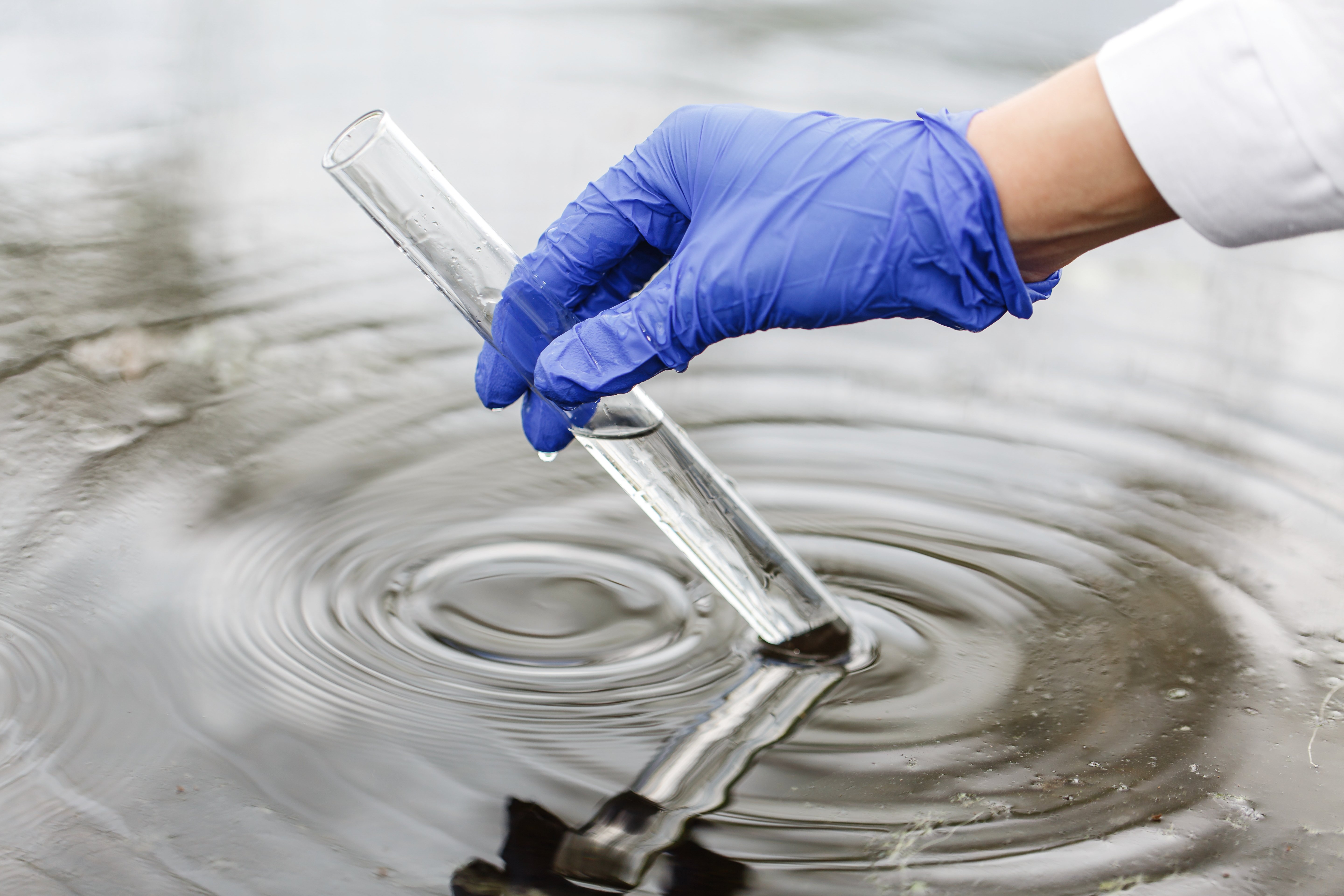
The European Union's Water Framework Directive (2000/60/EC) stands as the cornerstone of aquatic ecosystem protection across Europe, establishing ambitious goals for achieving "good chemical status" in all surface waters by 2027. At the heart of this regulatory framework lies a comprehensive list of 45 priority substances—including polycyclic aromatic hydrocarbons (PAHs), benzene, mercury, and cadmium—that pose significant risks to aquatic life and human health. Meeting the stringent Environmental Quality Standards (EQS) for these contaminants demands analytical excellence at every step, with sample preparation playing a particularly critical role in achieving the ultra-trace detection limits required for priority pollutant testing.
The Water Framework Directive: A Comprehensive Approach to Water Quality
Adopted in 2000 and implemented through six-year River Basin Management Plan (RBMP) cycles, the Water Framework Directive fundamentally transformed European water policy. Unlike previous legislation that focused on individual pollutants or water uses, the WFD takes an integrated, ecosystem-based approach covering rivers, lakes, coastal waters, and groundwater across entire river basins.
The Directive's chemical status classification relies on Environmental Quality Standards—maximum allowable concentrations established for priority substances in surface waters. These standards serve dual purposes: assessing the chemical quality of water bodies and setting discharge limits to prevent EQS exceedance in receiving waters.
Priority Substances Under the WFD
The original 2001 list identified 33 priority substances, with 11 designated as "priority hazardous substances" requiring complete elimination from discharges within 20 years. This list has since expanded to 45 substances as scientific understanding of aquatic risks has evolved.
Key priority pollutants requiring GC-MS analysis include:
Polycyclic Aromatic Hydrocarbons (PAHs): The WFD specifies EQS values for six indicator PAHs—benzo(a)pyrene, benzo(b)fluoranthene, benzo(k)fluoranthene, benzo(g,h,i)perylene, indeno(1,2,3-cd)pyrene, and fluoranthene. These compounds, formed during incomplete combustion of organic materials, are ubiquitous environmental contaminants with documented carcinogenic and mutagenic properties.
For benzo(a)pyrene—the most extensively studied carcinogenic PAH—the annual average EQS is just 0.05 μg/L (50 ng/L), while the maximum allowable concentration stands at 0.1 μg/L. This represents a standard 14 times stricter than the WHO drinking water guideline, reflecting the precautionary principle embedded in EU water policy.
Benzene: This volatile aromatic hydrocarbon, classified as a priority hazardous substance, has an annual average EQS of 10 μg/L and a MAC-EQS of 50 μg/L. Industrial discharges, petroleum refining, and urban runoff represent primary sources.
Heavy Metals: Mercury and cadmium, both priority hazardous substances, demand particularly stringent control. Mercury's annual average EQS is remarkably low at 0.07 μg/L in freshwaters, while cadmium's EQS varies from 0.08 to 0.25 μg/L depending on water hardness. These values are 120 and 12 times lower than WHO drinking water standards, respectively.
The Analytical Challenge: GC-MS for Priority Pollutant Testing
Gas chromatography-mass spectrometry (GC-MS) has emerged as the definitive technique for water monitoring of volatile and semi-volatile priority substances. The method's combination of chromatographic separation with mass spectral identification provides the specificity and sensitivity necessary for complex environmental matrices.
For semi-volatile organics including PAHs, EPA Method 8270 and its European equivalents represent the gold standard. This approach enables simultaneous determination of over 250 compounds across diverse chemical classes—acids, bases, neutrals, and polycyclic aromatics—with detection limits typically in the low μg/L range.
Volatile organic compounds including benzene are analyzed via purge-and-trap coupled with GC-MS according to methods such as EPA 5030C/8260 or ISO 15680. In this technique, volatile analytes are transferred from the aqueous phase to the vapor phase through inert gas bubbling, concentrated on a sorbent trap, thermally desorbed, and introduced into the GC-MS system.
Sensitivity Requirements Drive Sample Preparation
The EQS values for priority substances present formidable analytical challenges. Detecting PAHs at 50-100 ng/L or cadmium at 0.08-0.25 μg/L in complex environmental matrices requires concentration factors ranging from 100 to over 1,000-fold. This imperative drives the critical importance of robust sample preparation workflows.
Liquid-Liquid Extraction: The Foundation for GC-MS Water Analysis
For semi-volatile priority pollutants including PAHs, liquid-liquid extraction (LLE) remains a widely implemented sample preparation technique. LLE operates by partitioning target analytes between immiscible aqueous and organic phases based on their relative solubilities.
Classical LLE Workflow for PAH Analysis:
-
-
Sample Acidification: Adjust 250-1000 mL water sample to pH <2 with HCl to suppress ionization of acidic compounds
-
Serial Extraction: Extract 3 times with methylene chloride or other suitable organic solvent using separatory funnel
-
Drying: Pass combined organic extracts through anhydrous sodium sulfate to remove residual water
-
Concentration: Reduce extract volume from initial 50-150 mL to final 0.5-1 mL
-
Solvent Exchange (if needed): For acetonitrile-based extracts, exchange to GC-compatible solvent such as hexane
-
Modern Microextraction Approaches
Dispersive liquid-liquid microextraction (DLLME) represents an innovative evolution offering dramatic reductions in solvent consumption. In DLLME, a mixture of extraction solvent (e.g., chloroform) and disperser solvent (e.g., acetone) is rapidly injected into the aqueous sample. The resulting cloudy dispersion provides enormous interfacial area for rapid mass transfer, with extraction completed in minutes rather than hours.
For PAHs in environmental waters, DLLME achieves enrichment factors of 110-186 fold with limits of detection in the 12-61 pg/mL range—well below WFD EQS requirements. Low-density liquid-liquid microextraction (LDME) extends this approach using solvents lighter than water (e.g., toluene), enabling concentration factors up to 1:250 with sub-ng/L detection limits for priority substances.
Regardless of the extraction technique employed—classical LLE, DLLME, or LDME—the workflow culminates in a critical concentration step where organic solvent is evaporated to achieve final analytical sensitivity.
Nitrogen Evaporation: The Indispensable Concentration Step
Following liquid-liquid extraction, the organic phase typically contains 5-50 mL of solvent (or 50-500 μL for microextraction techniques). To achieve the concentration factors required for WFD compliance, this volume must be reduced—often to 0.5-1 mL or complete dryness for reconstitution in GC-compatible solvents.
Nitrogen blowdown evaporation provides the optimal solution for this critical step, offering precise control, gentle conditions, and compatibility with GC-MS workflows.
The Mechanism of Nitrogen Evaporation
Nitrogen evaporation accelerates solvent removal by directing a stream of chemically inert nitrogen gas over the sample surface. This process operates through two synergistic mechanisms:
Vapor Displacement: Continuous nitrogen flow disrupts the vapor layer above the liquid surface, maintaining a concentration gradient that drives evaporation
Controlled Heating: Gentle water bath or dry block heating (typically 35-60°C) increases molecular kinetic energy, enhancing the liquid-to-vapor transition without thermal degradation of sensitive analytes
For PAHs, benzene, and other GC-amenable priority pollutants, this combination delivers rapid, reproducible concentration while preserving analyte integrity.
Critical Parameters for Optimization
Successful nitrogen evaporation for water monitoring applications requires attention to several key variables:
Temperature Selection: Semi-volatile PAHs tolerate moderate heating (40-60°C), accelerating evaporation of common extraction solvents like methylene chloride and chloroform. More volatile compounds including benzene require lower temperatures (35-45°C) to prevent analyte losses.
Nitrogen Flow Rate: Flow rates typically range from 5-15 L/min total, with individual position control enabling simultaneous processing of samples with different solvents or target endpoint volumes. Higher flow rates reduce evaporation time but must be balanced against the risk of sample splashing and cross-contamination.
Needle Positioning: Optimal placement at 0.5 inches (13 mm) above the liquid surface maximizes vapor clearance efficiency without disturbing the sample.
Endpoint Determination: Visual monitoring or timed protocols prevent over-drying that could lead to analyte losses through volatilization or adsorption to glassware.
Organomation N-EVAP Systems: Precision Engineering for Environmental Analysis
Since 1959, Organomation has specialized in nitrogen evaporator design for demanding analytical applications including environmental water testing. The N-EVAP product line represents over six decades of refinement specifically addressing the needs of laboratories conducting priority pollutant testing under the Water Framework Directive.
Purpose-Built Features for Water Monitoring:
Multi-Sample Capacity: N-EVAP configurations spanning 6 to 45 positions enable high-throughput processing essential for large-scale water monitoring programs. River Basin Management Plans often require analysis of hundreds to thousands of samples across multiple water bodies—capacity that demands efficient concentration systems.
Universal Sample Compatibility: The rotating sample holder accommodates vials and test tubes from 10-30 mm outside diameter without requiring dedicated racks or inserts. This versatility is critical when processing diverse sample types from LLE extracts in large separatory funnels to DLLME microextracts in small vials.
Individual Flow Control: Chrome-plated precision needle valves at each sample position allow independent nitrogen flow adjustment. For priority pollutant testing involving multiple compound classes with different volatilities, this capability enables simultaneous processing of PAH extracts (requiring higher flow rates) and volatile organic extracts (demanding gentler conditions) in the same analytical run.
Temperature Precision: Standard water bath models provide reliable, uniform heating with mechanical thermostat control. For applications requiring tighter temperature specifications, dry block heaters offer rapid heat-up and enhanced temperature uniformity across all sample positions.
Contamination Prevention: All sample-contacting components are manufactured from inert materials—typically borosilicate glass, stainless steel, and PTFE—to minimize background interference. This is particularly critical for ultra-trace analysis of priority hazardous substances where even nanogram-level contamination compromises data quality.
Integrating Nitrogen Evaporation into WFD Compliance Workflows
Modern water quality laboratories typically employ multi-residue analytical methods enabling simultaneous determination of dozens to hundreds of priority substances per sample. This approach maximizes analytical efficiency while minimizing sample and solvent consumption.
Optimized Workflow for Semi-Volatile Priority Pollutants (PAHs, Chlorinated Organics):
-
-
Sample Collection: 250-1000 mL grab samples in amber glass bottles with appropriate preservatives
-
Liquid-Liquid Extraction: Serial extraction with methylene chloride or automated DLLME/LDME
-
Drying: Anhydrous sodium sulfate treatment to remove water
-
Nitrogen Evaporation: Reduce extract volume to 0.5-1 mL using N-EVAP system at 40-55°C
-
Solvent Exchange (if needed): For acetonitrile or methanol extracts, evaporate to near-dryness and reconstitute in hexane or isooctane
-
GC-MS Analysis: Inject 1-2 μL for analysis according to EPA Method 8270 or equivalent
-
Critical Parameters for Priority Pollutant Analysis:
Temperature: 40-55°C for PAHs and chlorinated compounds
Nitrogen flow: 10-15 L/min total, adjusted per sample
Evaporation time: Typically 15-45 minutes depending on solvent, volume, and temperature
Final volume: 0.5-1.0 mL for direct injection or complete dryness for reconstitution
For volatile organic compounds including benzene, purge-and-trap techniques bypass the liquid extraction and nitrogen evaporation steps entirely, with volatiles concentrated directly onto sorbent traps from aqueous samples. However, laboratories performing comprehensive priority pollutant screening often employ both volatile and semi-volatile methods, making nitrogen evaporators essential multi-purpose tools.
Quality Assurance and Method Validation
Laboratories performing water monitoring under the WFD must demonstrate competence through accreditation to ISO/IEC 17025 or equivalent standards. This requires rigorous method validation demonstrating that analytical procedures meet performance criteria for accuracy, precision, detection limits, and recovery.
Nitrogen evaporation, as an integral step in validated methods, must be performed reproducibly with documented quality control:
Method Development:
- Optimize temperature and gas flow rates during method validation
- Evaluate analyte recovery across the complete workflow including evaporation step
- Document evaporation time-to-endpoint for reproducible execution
- Assess potential losses of volatile or thermally labile compounds
Quality Control:
- Process method blanks through complete extraction-evaporation workflow to assess contamination
- Include matrix spike samples at multiple concentration levels to verify recovery
- Monitor internal standard or surrogate responses to detect evaporation-related losses
- Perform regular instrument performance checks verifying temperature and flow rate accuracy
Contamination Prevention:
- Dedicate glassware to specific analyte classes when analyzing ultra-trace priority hazardous substances
- Use high-purity nitrogen (≥99.999%) to minimize background organic contamination
- Implement thorough cleaning protocols between sample batches
- Verify freedom from contamination in extraction solvents and nitrogen supply
Environmental Quality Standards: The Driving Force for Analytical Excellence
The stringency of WFD Environmental Quality Standards directly determines the analytical challenges facing water quality laboratories. EQS derivation follows standardized protocols established in European Commission guidance documents, with values calculated to protect aquatic ecosystems, predatory wildlife, and human health.
For freshwater ecosystems, EQS derivation typically employs assessment factors applied to ecotoxicological data from multiple trophic levels. The more toxic a substance and the less ecotoxicological data available, the larger the assessment factor—and consequently, the lower the resulting EQS.
Examples of WFD Priority Substance EQS Values:
|
Priority Substance |
Annual Average EQS |
MAC-EQS |
Analytical Challenge |
|
Benzo(a)pyrene |
0.05 μg/L |
0.1 μg/L |
1000× concentration required |
|
Fluoranthene |
0.12 μg/L |
Ultra-trace detection |
|
|
Benzene |
50 μg/L |
Volatility management |
|
|
Mercury |
0.07 μg/L |
120× stricter than WHO |
|
|
Cadmium |
0.08-0.25 μg/L |
Hardness-dependent |
These demanding standards—often an order of magnitude stricter than drinking water limits—necessitate sample preparation workflows capable of delivering exceptional sensitivity, precision, and freedom from contamination.
The 2022 Revision: Expanding the Scope of Water Monitoring
In October 2022, the European Commission proposed significant revisions to the priority substances lists under the WFD and associated directives. The proposal adds 25 substances including PFAS, additional pesticides, bisphenol A, and several pharmaceuticals—bringing the total to 74 priority substances.
Notably, the revision introduces a total pesticide standard of 0.5 μg/L for the sum of all active substances and their relevant metabolites in surface waters. This provision recognizes that cumulative pesticide exposure may pose risks even when individual compounds remain below their specific EQS values.
These evolving regulatory requirements reinforce the need for flexible, high-capacity sample preparation systems. Laboratories must adapt to analyzing broader compound scopes while maintaining the sensitivity and throughput necessary for comprehensive water body assessment.
Beyond the WFD: Integrated Water Quality Management
While the Water Framework Directive establishes the overarching regulatory framework, several daughter directives and complementary legislation create an integrated approach to water protection:
Environmental Quality Standards Directive (2008/105/EC): Establishes specific EQS values for priority substances and provides the basis for chemical status classification.
Groundwater Directive (2006/118/EC): Protects groundwater from pollution and deterioration, with proposed PFAS standards 10 times stricter than surface water limits.
Drinking Water Directive (2020/2184): Sets health-based parametric values for drinking water, often more stringent than WFD surface water standards for substances with human health implications.
This nested regulatory structure means laboratories performing WFD compliance testing often serve multiple regulatory programs simultaneously—drinking water monitoring, groundwater assessment, and surface water surveillance—using shared analytical infrastructure including nitrogen evaporators.
Selecting the Right Nitrogen Evaporator for Water Quality Testing
Choosing an appropriate nitrogen evaporation system for priority pollutant testing depends on several laboratory-specific factors:
Sample Throughput: Facilities analyzing 20-50 samples daily may find 12 or 24-position N-EVAPs optimal, while regional or national reference laboratories processing 100+ samples require 34 or 45-position models or multiple units operating in parallel.
Compound Classes: Laboratories specializing in semi-volatile organics (PAHs, chlorinated compounds) benefit most from nitrogen evaporation technology. Those focused primarily on volatiles (benzene, trichloroethylene) employ purge-and-trap systems with minimal evaporation requirements.
Automation Requirements: Manual N-EVAPs offer simplicity, reliability, and lower capital costs for routine operations. Automated models with programmable timers and nitrogen flow control enhance reproducibility and reduce hands-on time for high-volume laboratories.
Space and Budget Constraints: N-EVAP systems represent excellent value with lower per-position costs compared to centrifugal evaporators or automated SPE-evaporation platforms, while requiring minimal bench space and simple infrastructure (nitrogen source and electrical service).
Multi-Method Flexibility: Laboratories performing diverse environmental analyses—food safety, clinical toxicology, pharmaceutical analysis—benefit from nitrogen evaporators' universal applicability across GC-MS and LC-MS workflows.
Best Practices for Nitrogen Evaporation in WFD Compliance Testing
To maximize performance and ensure regulatory compliance, water quality laboratories should implement these practices:
Method Development:
- Optimize temperature and nitrogen flow during method validation using representative environmental matrices
- Evaluate recovery of all target priority substances across the complete extraction-evaporation-analysis workflow
- Document standard operating procedures including evaporation time, temperature, and flow rate specifications
- Assess potential matrix effects using spiked surface water, groundwater, and wastewater samples
Quality Control:
- Process solvent blanks, method blanks, and field blanks through the complete analytical sequence
- Include laboratory fortified blanks (LFBs) and laboratory fortified matrix samples (LFMs) at environmentally relevant concentrations
- Monitor surrogate standard and internal standard recoveries to detect systematic losses during evaporation
- Participate in interlaboratory proficiency testing programs for WFD priority substances
Maintenance and Calibration:
- Verify water bath or dry block temperature accuracy monthly using traceable thermometers
- Inspect and clean nitrogen delivery needles weekly to ensure consistent flow
- Check nitrogen purity specifications quarterly, maintaining ≥99.999% for trace organic analysis
- Document all maintenance activities in laboratory quality management systems
Contamination Control:
- Establish dedicated equipment for ultra-trace analysis of priority hazardous substances
- Implement rigorous glassware cleaning protocols: detergent wash, tap water rinse, distilled water rinse, oven drying at 400°C
- Verify freedom from contamination in all solvents, reagents, and consumables through regular blank analyses
- Locate nitrogen evaporators in areas free from laboratory solvent vapors that could compromise blank values
The Future of European Water Quality Monitoring
The Water Framework Directive's ambitious goal of achieving good chemical status in all EU water bodies by 2027 drives continuous innovation in analytical methodology. Several trends are shaping the future of priority pollutant testing:
Expanding Target Lists: The proposed addition of 25 new priority substances—including emerging contaminants like PFAS, microplastics, and antimicrobial resistance markers—demands analytical methods capable of broader compound coverage.
Lower Detection Limits: As understanding of ecological and human health risks advances, EQS values trend downward, requiring ever-greater sensitivity from sample preparation and instrumental analysis.
High-Resolution Mass Spectrometry: While single-quadrupole GC-MS remains the workhorse for routine priority pollutant testing, high-resolution accurate mass spectrometry (GC-HRMS) is increasingly employed for non-target screening and identification of transformation products.
Green Analytical Chemistry: Pressure to reduce solvent consumption and environmental impact is accelerating adoption of microextraction techniques (DLLME, LDME, SPME) and more sustainable concentration methods. Nitrogen evaporators, with their solvent-agnostic operation and compatibility with minimal-volume extracts, align well with this trend.
Catchment-Based Monitoring: The WFD's river basin management approach emphasizes understanding pollutant sources and pathways at the catchment scale. This requires coordinated monitoring across multiple water bodies, increasing demand for high-throughput analytical capabilities.
Sample Preparation Excellence Enables Environmental Protection
Achieving the Water Framework Directive's vision of healthy, unpolluted European waters depends fundamentally on analytical capability—the ability to detect priority substances at concentrations that protect ecosystems and human health. While sophisticated GC-MS instrumentation provides the specificity and sensitivity required for compound identification and quantification, sample preparation workflows deliver the concentration factors that make ultra-trace detection possible.
Nitrogen blowdown evaporation occupies a critical position in these workflows, bridging liquid-liquid extraction and gas chromatographic analysis. For over 65 years, Organomation has refined this technology specifically for the demanding requirements of environmental analysis, delivering systems that combine precise control, high throughput, and exceptional reliability.
As European water policy evolves to address emerging threats—PFAS contamination, pharmaceutical residues, microplastic pollution—the fundamental analytical challenges remain constant: achieving adequate sensitivity, maintaining data quality, and processing sufficient sample numbers to characterize water bodies at the catchment scale. Laboratories equipped with robust sample preparation infrastructure, including purpose-built nitrogen evaporators, are positioned to meet these challenges while adapting to tomorrow's regulatory requirements.
The Water Framework Directive's success ultimately depends on thousands of analytical laboratories across Europe generating accurate, defensible data on priority substance concentrations. Through meticulous attention to every step of the analytical workflow—from sample collection through extraction, concentration, and instrumental analysis—these laboratories safeguard aquatic ecosystems and protect the 500 million people who depend on Europe's water resources.
Enhance your water quality testing capabilities for WFD compliance. Contact Organomation to discuss how N-EVAP nitrogen evaporators can optimize your laboratory's priority pollutant testing workflow. Our team provides complimentary application support and method consultation for environmental analysis. Visit www.organomation.com or call +1 (978) 838-7300 to learn more about our complete line of sample preparation solutions for water monitoring.